



World premiere: 1 May 1786, Burgtheater, Vienna
Premiere at the Bolshoi (Kamenny) Theatre: 13 January 1851, Imperial Italian Opera Company
Premiere at the Mariinsky Theatre: 25 September 1901 (performed in Russian, translated by Pyotr Ilyich Tchaikovsky)
Premiere of this production: 1 May 2009
Running time 3 hours 15 minutes
The performance has one interval
The irrepressible and omnipresent Figaro first appeared before the public in plays by de Beaumarchais, moreover producing something of a scandal: the concept of the injustice of class barriers and the fact that, in the words of Karamzin, “peasant women, too, are capable of loving” would have seemed to be radical free-thinking in the eyes of someone living in the 18th century. Lorenzo Da Ponte transformed the caustic French comedy into an Italian opera buffa libretto, while the thirty-year-old Mozart composed the timeless music that is today performed at opera houses throughout the world.
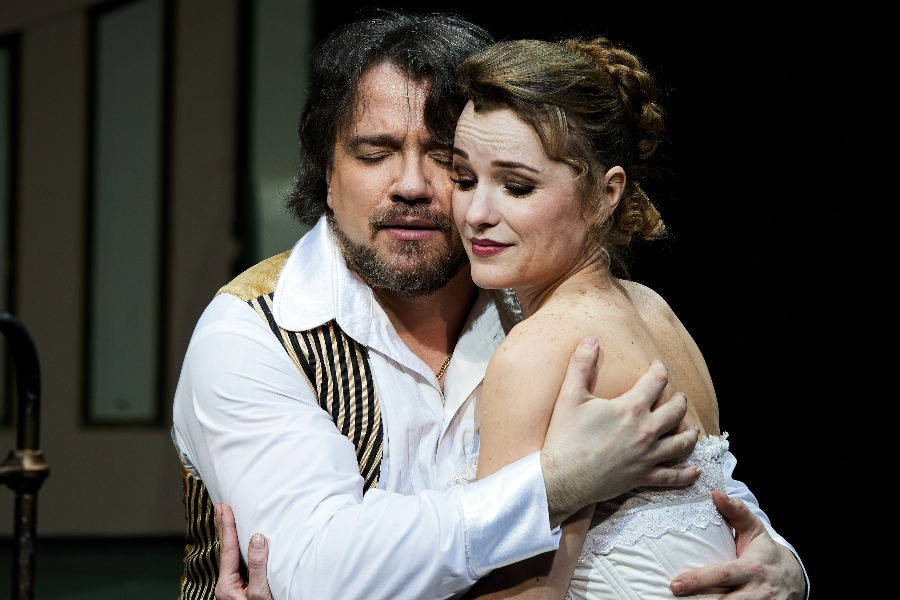
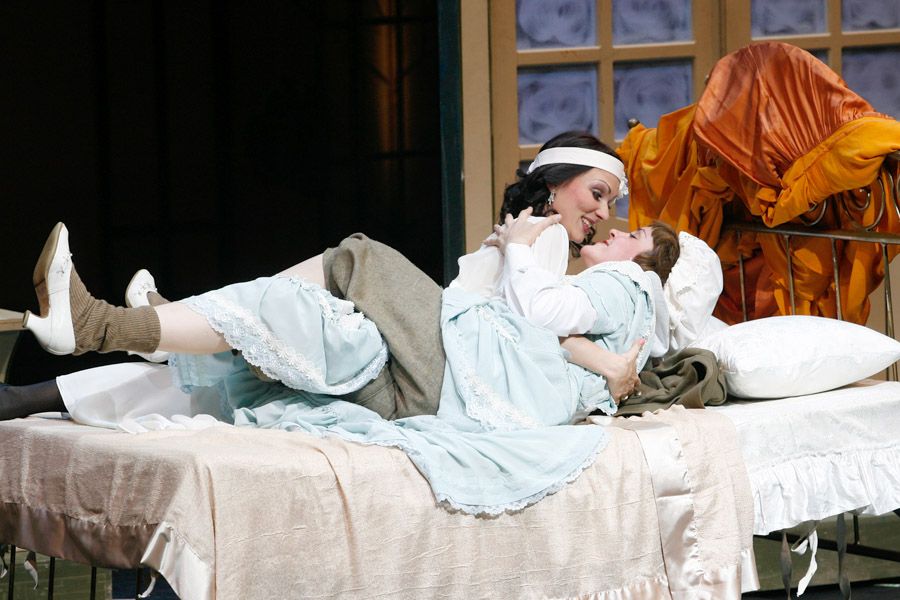
Le nozze di Figaro is a comic opera, a merry festive performance with people swapping clothes and confusion bordering on chaos; there are times when only the desire not to miss a single note of Mozart's music prevents the audience from erupting into explosive laughter. The composer's genius, however, affords the madness unfolding in this castle in Seville a secret depth. In the first scene, Figaro uses a ruler to measure the dimensions of the room; everything that the audience will subsequently see is given a totally different and unseen scale by Mozart. It is by this scale that the lofty and the low are measured, and the gradations on this scale are subtle and contradictory. The results are ambiguous: if we set this “ruler” against a hierarchical social staircase then the Count is at the very top and Figaro is at the bottom, whereas if we attempt to measure the spiritual qualities of the characters then this is all reversed. Thus the question of honesty and honour is asked: one is ready to kill to defend his honour, though is himself dishonourable, and the other piles up deceit upon deceit and yet retains his honour. Regardless of its affinity with the masks of commedia dell'arte, the characters in Le nozze di Figaro are real, living people, and their “indicators” on the scale of loftiness and lowliness, of nobility and plebeianism, may change fundamentally, so even the most envious schemer can be transformed into a caring mother, and a dissolute lady-killer may become a loving husband. It is Mozart's music that renders the protagonists alive, real and feeling people.
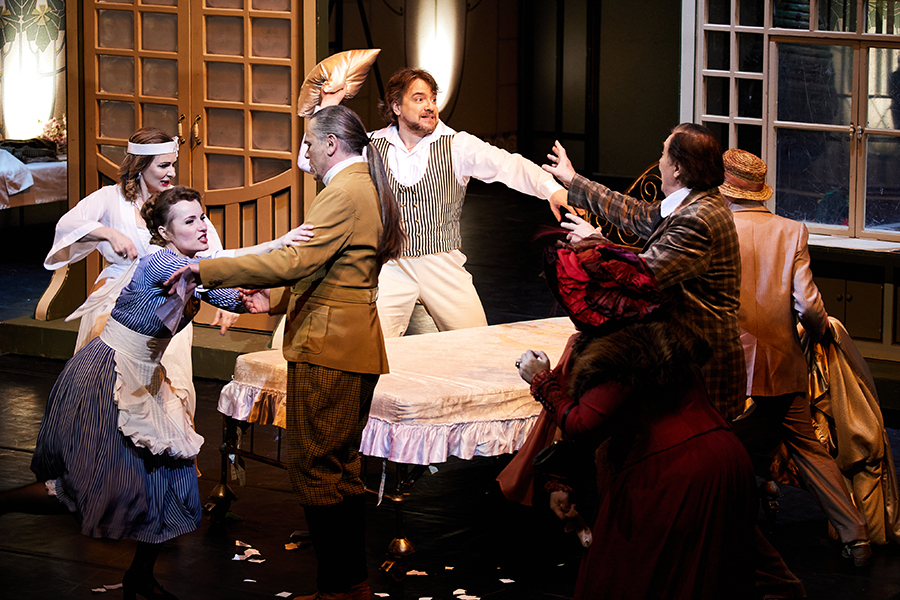
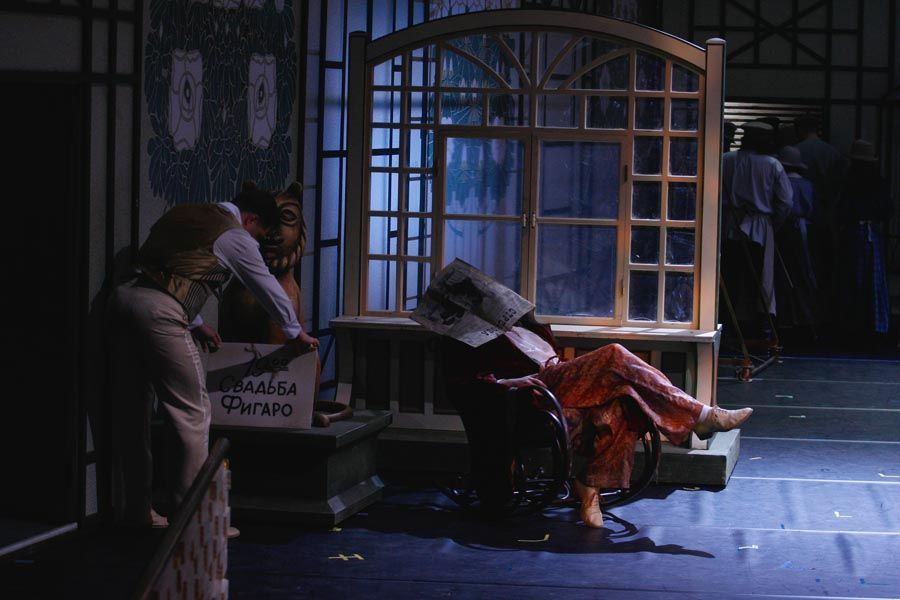
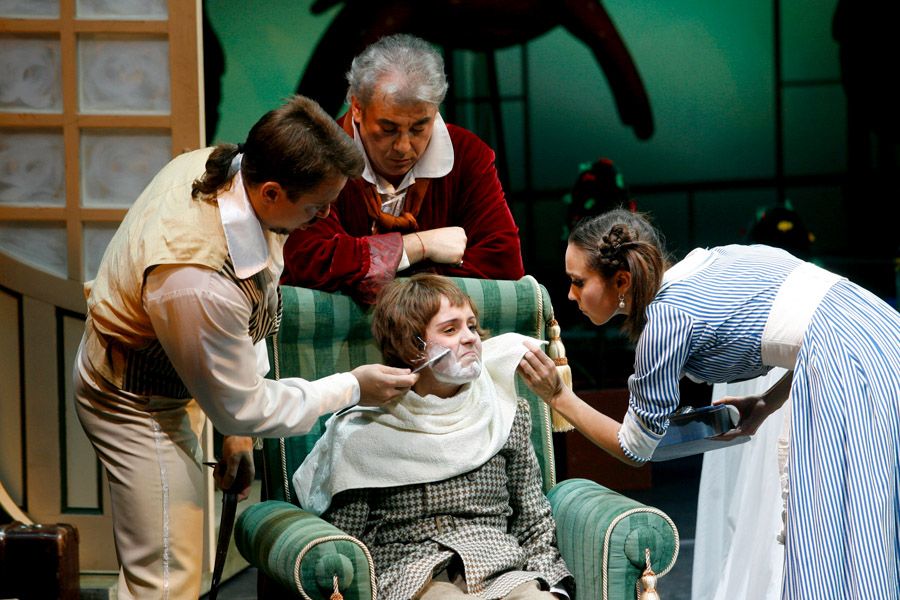
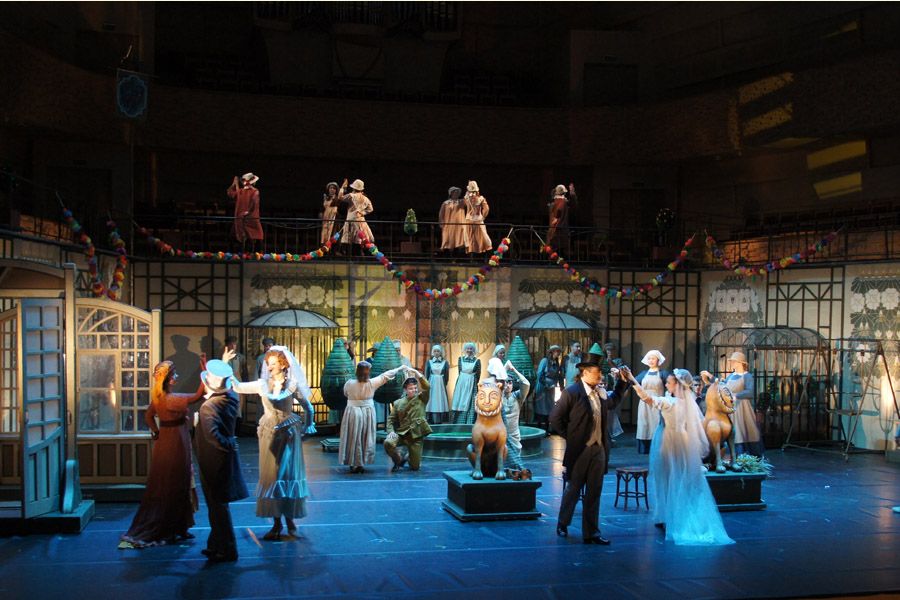
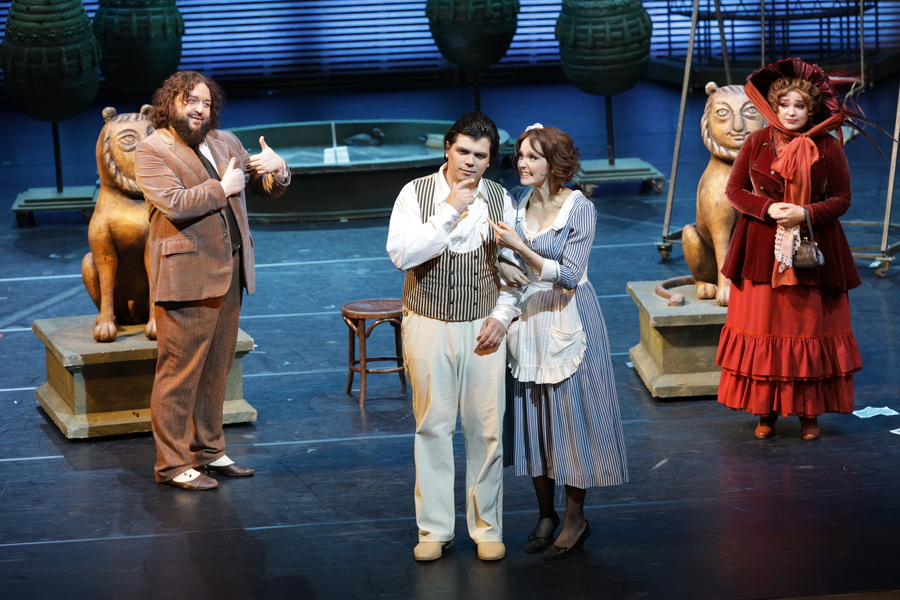
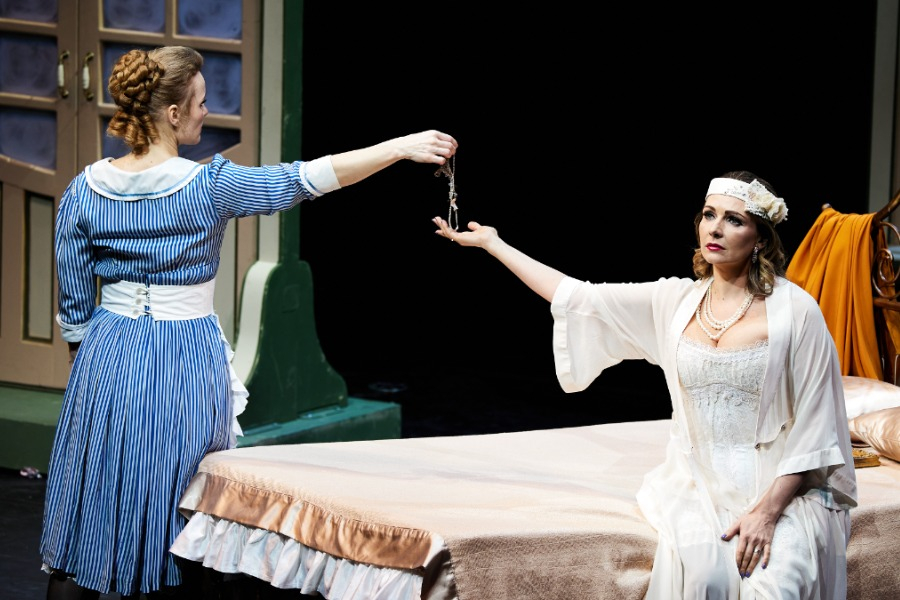
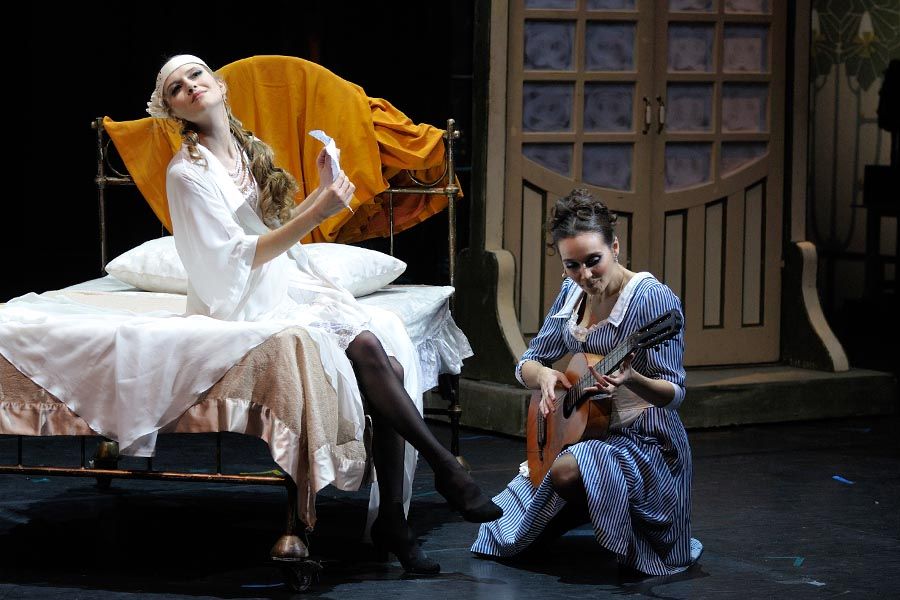
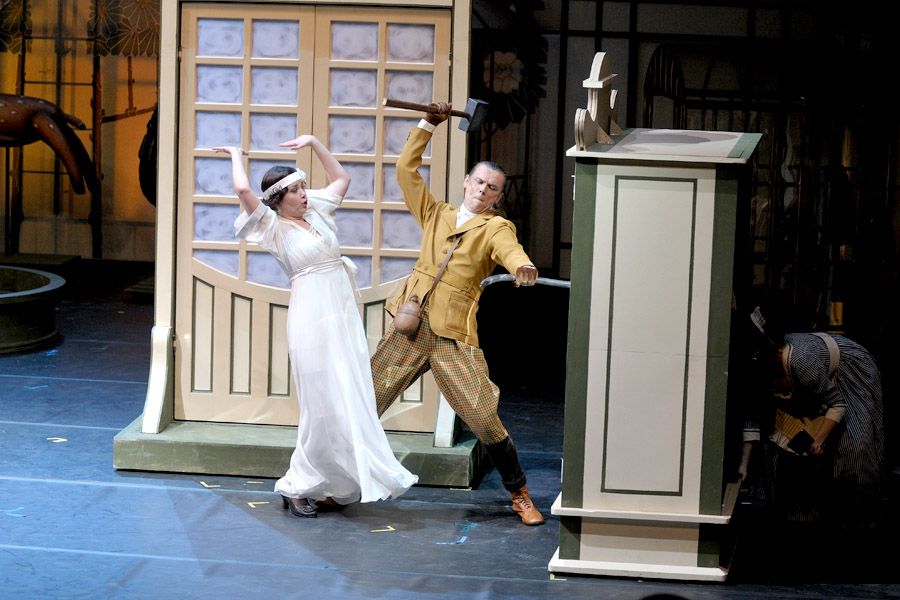
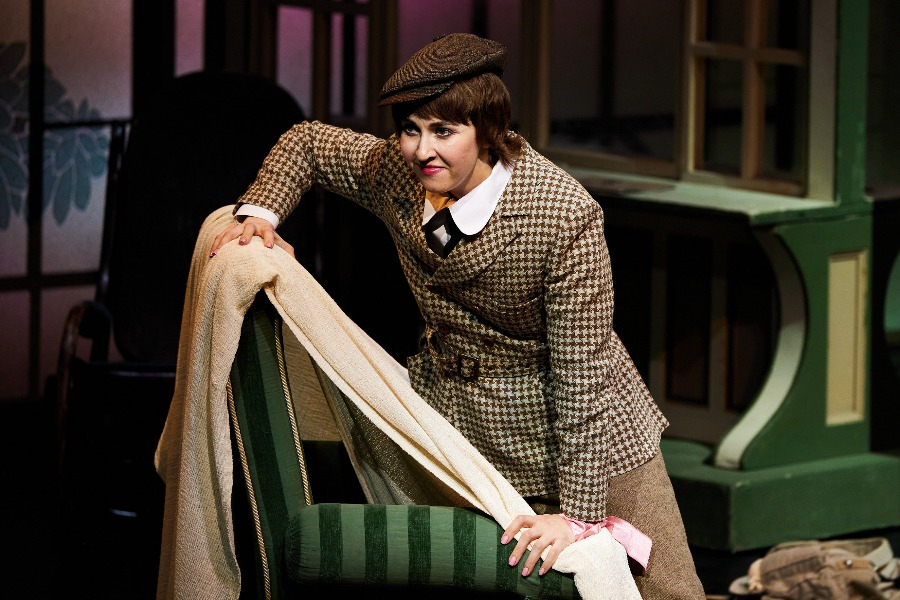
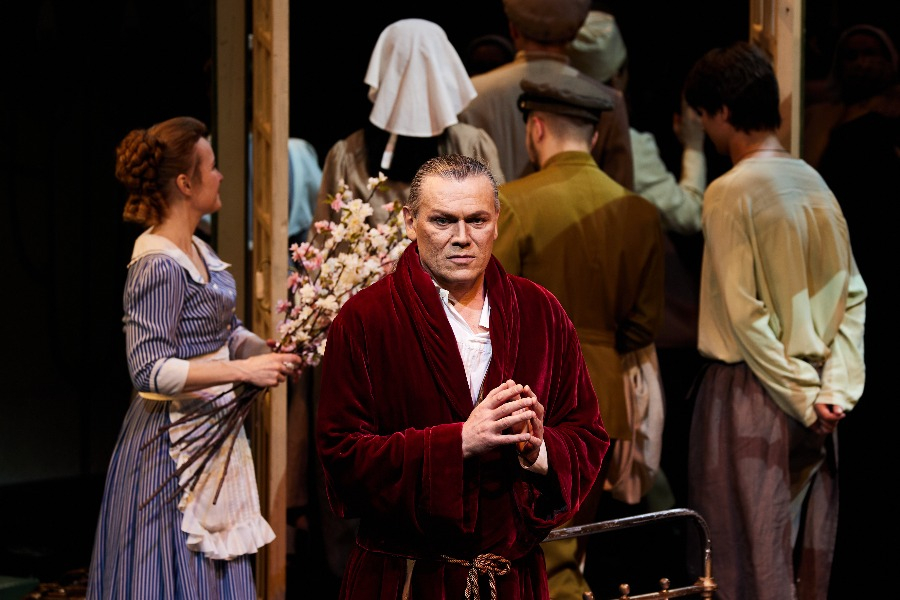
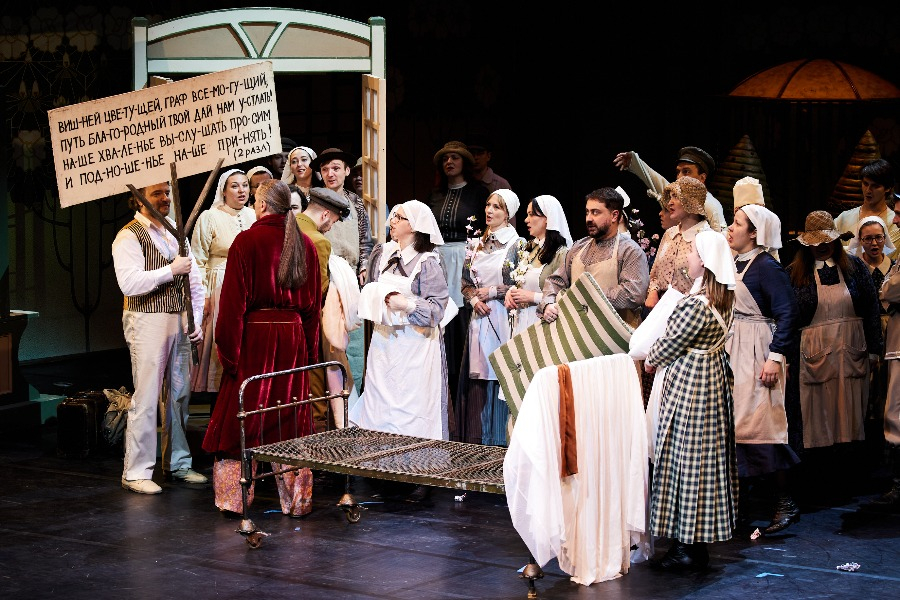
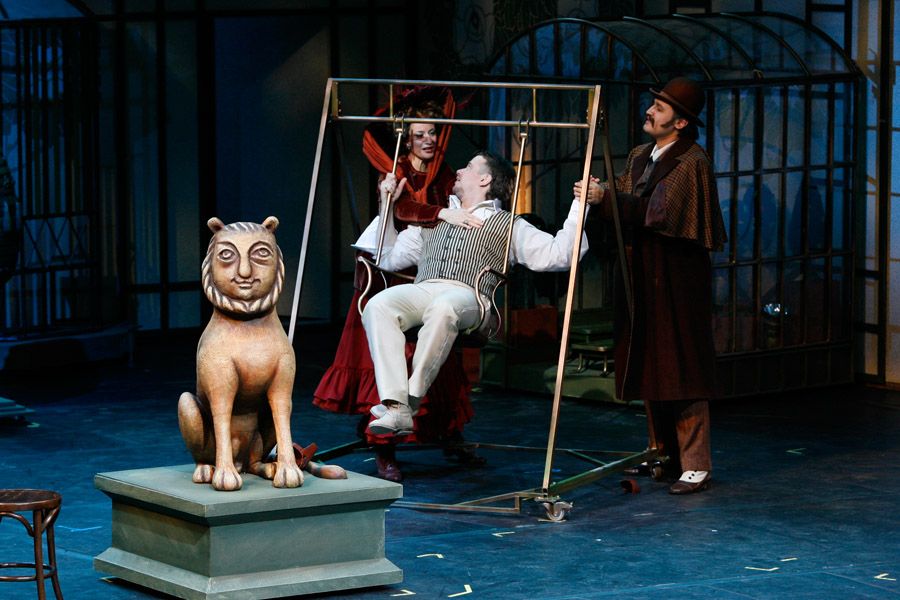
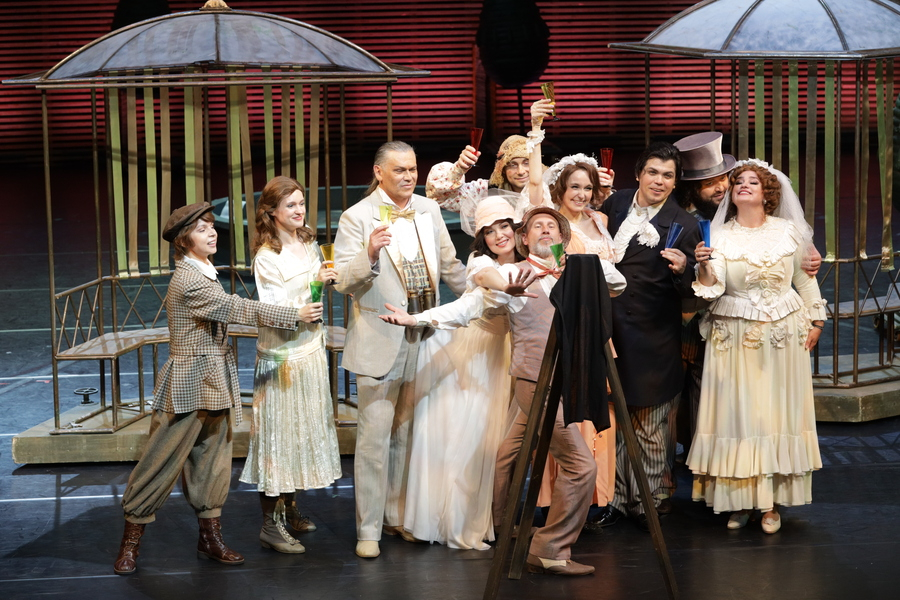
At the Mariinsky Theatre, two stage versions of Le nozze di Figaro are performed. Alexander Petrov's production has been staged at the Concert Hall since 2009. The opera's plot has been moved to the start of the 20th century, the age of art nouveau. Closer to us in chronological terms, the action thus takes on new semantic nuances. When the blundering young lad Cherubino receives a gas-mask together with his military call-up, this appears to be not merely amusing, but frightening as well, and when the menacing and jealous Almaviva drags a wooden dog on wheels behind him we ask ourselves the not unreasonable question – who in fact is the capricious child in this castle? The manners of the classes vary little between each other, the class world is gradually disappearing into the past, though the stratification of society into people who are “special” and those who are “simple”, into people with privileges and those who are the “have-nots”, will remain as it has always been – just like humanity's desire to love, to be loved and to fight for our happiness.
The circular space of the Concert Hall poses specific tasks for production teams. In Le nozze di Figaro these tasks have been resolved with refined wit: the audience seems to be looking at a three-dimensional model of a house, observing it from different angles. The opera is performed in Russian, making it more accessible and even more engaging. Khristina Batyushina



| user_name | | Exit |

The highlighting of performances by age represents recommendations.
This highlighting is being used in accordance with Federal Law N436-FZ dated 29 December 2010 (edition dated 1 May 2019) "On the protection of children from information that may be harmful to their health"


